
Changes in screening performance often result from screen condition, material behavior, feed rate, vibration, or product distribution rather than a single mechanical problem. An industrial vibrating sifter generally performs as intended when material moves consistently across a clear screen, and the machine operates within its specified settings.
Troubleshooting should begin with observation instead of immediate adjustment. Changes in throughput, separation quality, noise, vibration, or material movement can provide useful clues about where to inspect first. Working through these symptoms one at a time also reduces the risk of changing a setting that was not causing the original problem.
Why Is Material Moving Through the Screen More Slowly?
Reduced throughput can occur when less usable screen area is available or when material reaches the screen faster than it can be separated. A common first step is checking the mesh for accumulated product, blocked openings, or particles lodged in the apertures.
Material characteristics should also be reviewed. Moisture, particle shape, particle size, and a tendency to clump can affect how easily a product passes through a screen. If the product formulation or condition has changed since the previous production run, the screening behavior may change as well.
Feed rate is another important consideration. Supplying material faster than the screening surface can effectively process it may increase bed depth and reduce the opportunity for smaller particles to reach and pass through the mesh.
What Causes Screen Blinding or Pegging?
Screen blinding happens when mesh openings become partially or fully obstructed. Fine powders, sticky products, agglomerated material, or particles close to the opening size can contribute to this condition.
The appropriate response depends on the product and equipment design. Cleaning the mesh may restore available screening area when ordinary buildup is responsible. For applications where recurring blockage is a known processing challenge, screening equipment may use technologies such as bouncing balls or ultrasonic systems to help keep mesh openings accessible.
Operators should avoid aggressive cleaning unless the chosen approach is suitable for the screen material and equipment. Damaging the mesh while attempting to remove buildup can create a different separation problem.
Why Is Particle Separation Becoming Inconsistent?
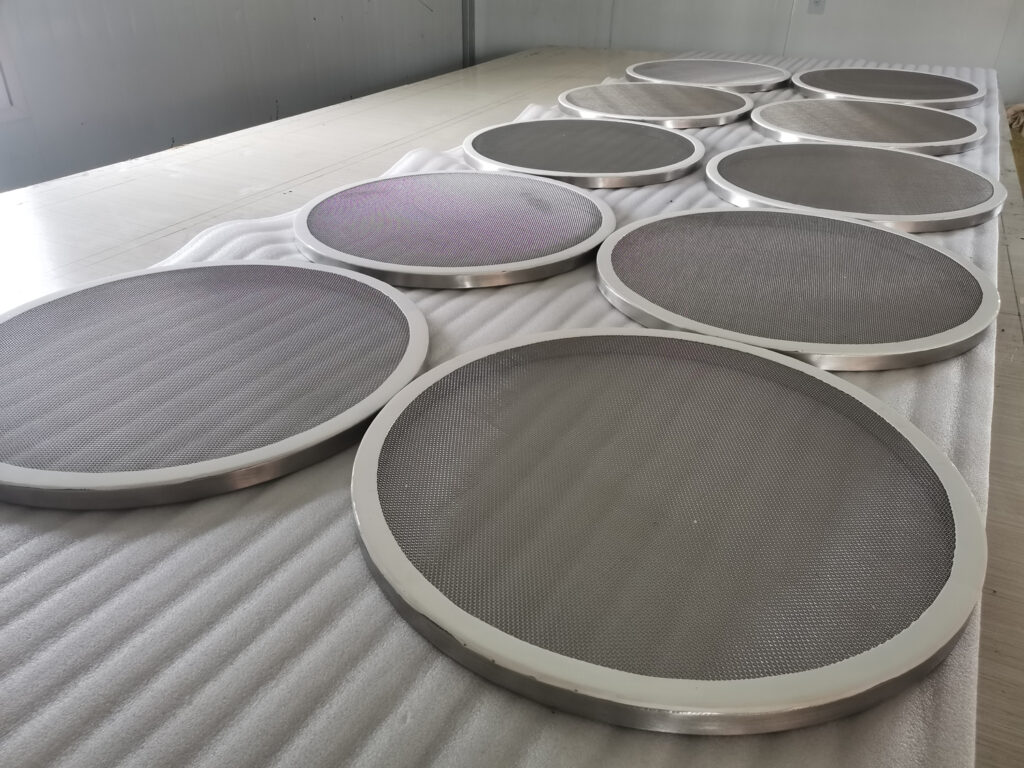
Inconsistent separation can appear as oversized material entering the accepted product stream, excessive good material leaving with oversize product, or particle classification that no longer matches expectations. When an industrial vibrating sifter produces unexpected separation results, inspect the screen for tears, worn sections, loose areas, or other visible damage. Even a relatively small opening outside the intended mesh pattern can affect classification.
Material distribution should also be considered. Product concentrated heavily in one portion of the screen does not use the full available screening area. More even distribution generally gives particles more opportunities to contact the mesh and separate by size. The selected screen aperture must also correspond with the required product specification. If the desired particle range has changed, the existing screen may no longer be appropriate for that particular separation objective.
What Can Cause Unusual Vibration or Material Movement?
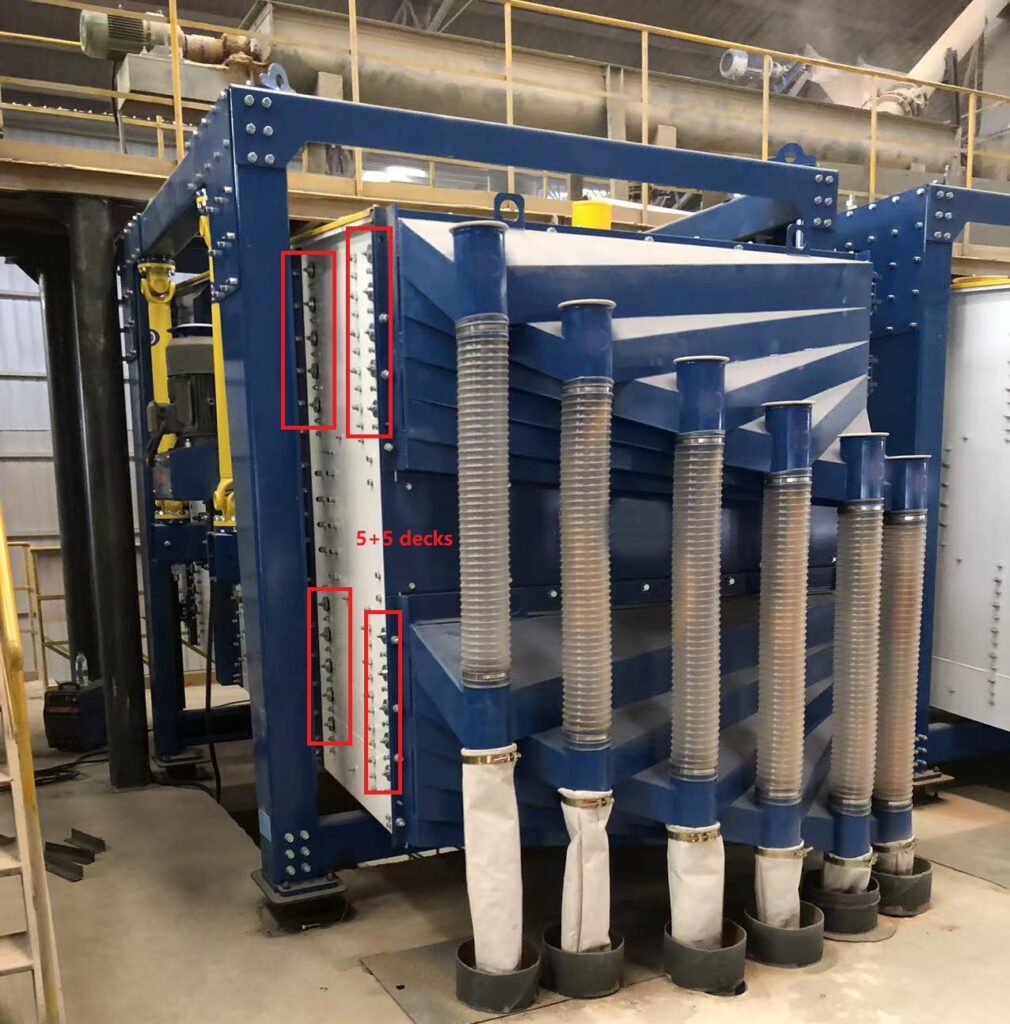
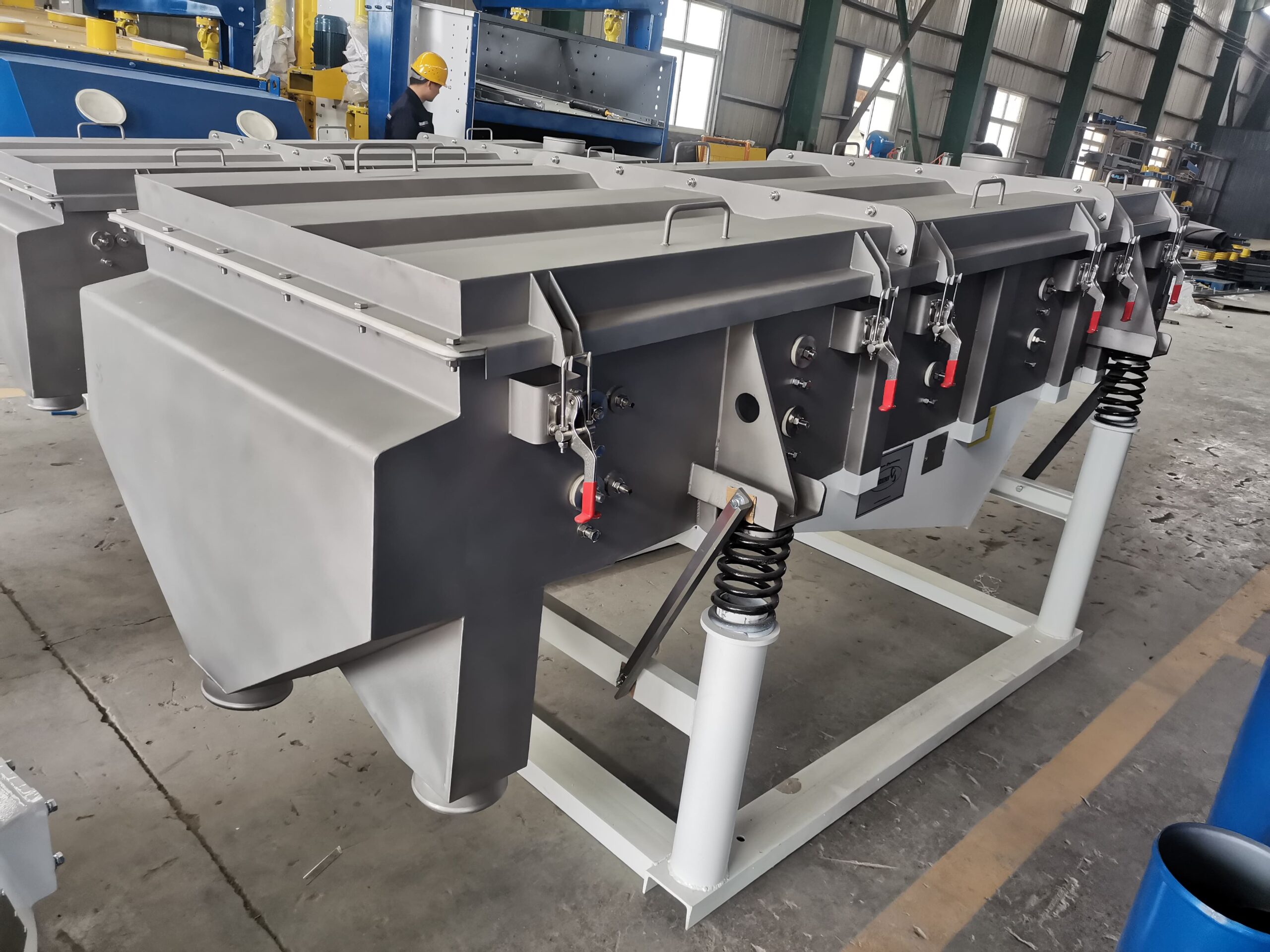
Vibration controls how material travels across the screening surface. A noticeable change in vibration can affect how material moves across the screen and may influence separation performance.
If vibration suddenly appears different, operators should inspect accessible components for visible looseness, damage, or other abnormal conditions and follow the equipment manufacturer’s maintenance instructions. Machine-specific operating instructions should guide any further evaluation.
Some vibratory screening systems allow adjustments to vibration force, motion, or material travel patterns. These settings should not be changed simply because throughput has fallen. Adjustment methods vary between equipment designs, and an unsuitable change may affect separation rather than solve the underlying issue.
When Does the Screen Need Attention?
Screens are wear components and should be inspected periodically. How often inspections are needed depends on factors such as the processed material, operating conditions, production frequency, and screen construction.
Signs that deserve attention include:
- Visible tears or openings in the mesh
- Distorted or damaged screening surfaces
- Persistent mesh blockage that repeatedly affects screening performance
- Unexpected oversized material in the accepted product
- Noticeable changes in screening consistency
A damaged screen may require replacement or re-meshing rather than continued cleaning or operating adjustments.
How Can Operators Troubleshoot More Methodically?
Effective troubleshooting focuses on one variable at a time. Before changing machine settings, compare current operating conditions with normal production conditions. When an industrial vibrating sifter begins performing differently, reviewing recent changes in the material, feed rate, screen condition, or equipment setup can help narrow down the possible cause.
Clean and inspect accessible product-contact areas according to the equipment instructions. Documenting recurring symptoms can also help identify whether a problem is associated with a particular material, mesh, or production condition.
If the source of a problem cannot be identified through normal inspection, consult the equipment documentation or manufacturer before making mechanical or vibration adjustments.
How We Support Industrial Screening Applications
At VibraScreener®, we design industrial sieving and screening equipment for applications involving powders, granules, liquids, slurries, grading, check screening, and separation. We also provide replacement screens for industrial screening equipment.
If you need help evaluating a screening application, selecting suitable screening equipment, or discussing replacement screen requirements, contact us to discuss your processing needs.
FAQs:
What is the first thing to check when sifter throughput decreases?
Start by checking the screen for product buildup, blocked openings, visible wear, or damage. Operators should also review feed rate and material characteristics because changes in either can reduce the amount of material passing efficiently through the screening surface.
Why does an industrial vibrating sifter experience screen blinding?
An industrial vibrating sifter can experience screen blinding when particles become trapped in or cover mesh openings. Fine powders, sticky materials, agglomerated particles, and particles close to the mesh aperture size can increase the likelihood of blockage.
Can excessive feed reduce screening efficiency?
Yes. Feeding material faster than the screening surface can effectively process may create a deeper material bed and reduce particle contact with the mesh. This can limit separation efficiency and lower effective throughput.
How can damaged mesh affect product quality?
Damaged mesh can allow oversized particles to enter the accepted product stream. Tears, worn areas, distorted sections, or unexpected openings should be inspected when separation results begin changing.
Should vibration settings be adjusted when throughput falls?
Not necessarily. Reduced throughput can have several possible causes, including screen blockage, feed conditions, material characteristics, or equipment settings. Operators should identify the likely cause and follow the operating guidance for their specific screening equipment before changing vibration settings.
Why is regular screen inspection important?
Regular screen inspection can help operators identify buildup, visible damage, wear, or other developing conditions that may affect separation quality or screening performance. Inspection practices should follow the recommendations for the specific screening equipment and application.