
Safety in manufacturing is built from layers, and for facilities handling powders, granules, or bulk solids, screening is one of those foundational layers. Vibratory screening equipment contributes to safety outcomes in ways that are easy to underestimate until a failure occurs. Contaminated product reaching a consumer, airborne dust exposing an operator, or a combustible powder cloud near an ignition source, these are the scenarios that good screening practice helps prevent.
Product Safety Through Contamination Control
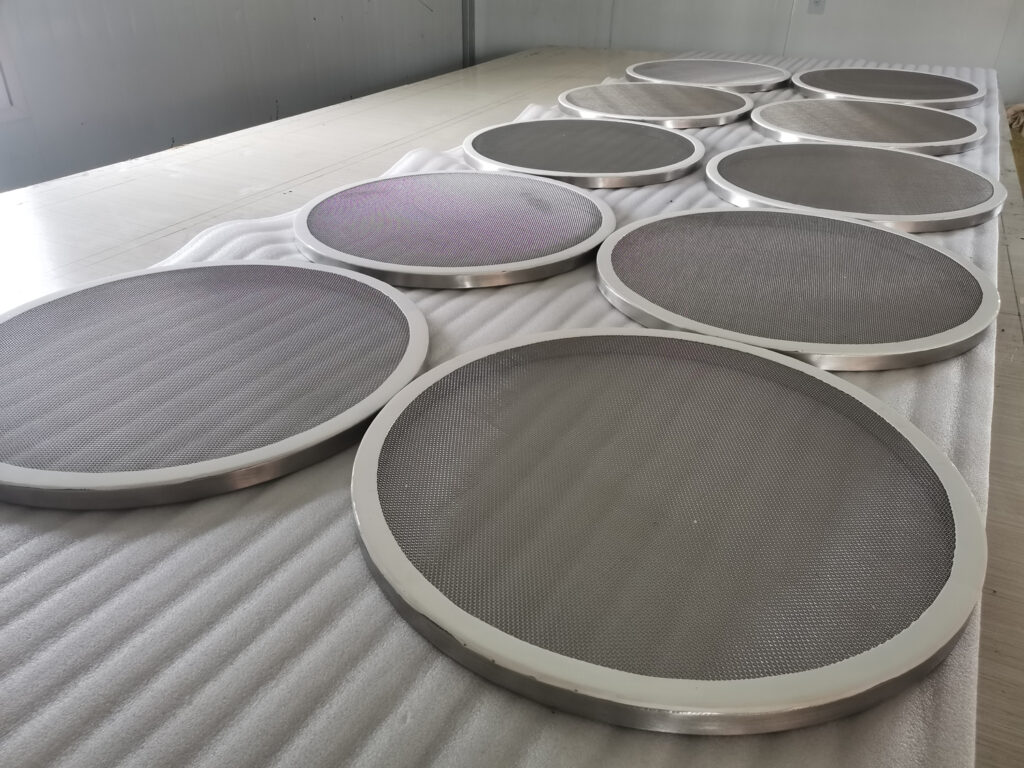
The screen mesh acts as a passive, physical barrier. It does not depend on operator vigilance or downstream inspection; it simply blocks anything above the defined aperture from advancing. In regulated industries such as pharmaceuticals, nutraceuticals, and food production, this function is often documented as a critical control point under HACCP or GMP frameworks. The equipment’s role is formalized, traceable, and auditable.
Operator Safety: Dust Containment
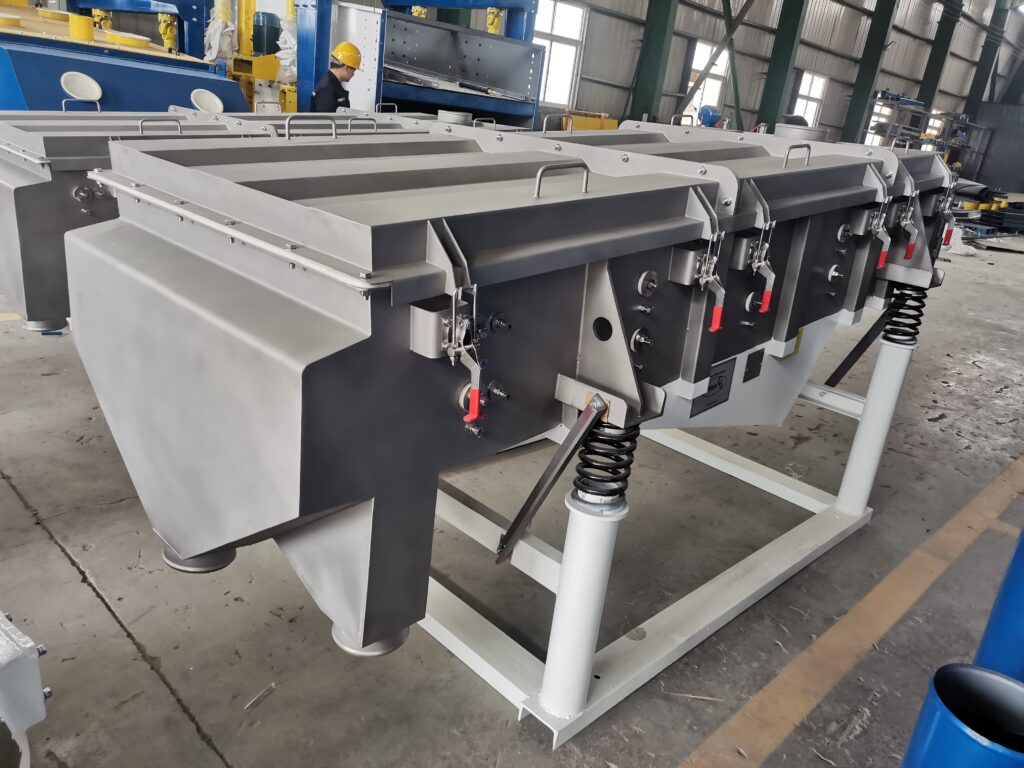
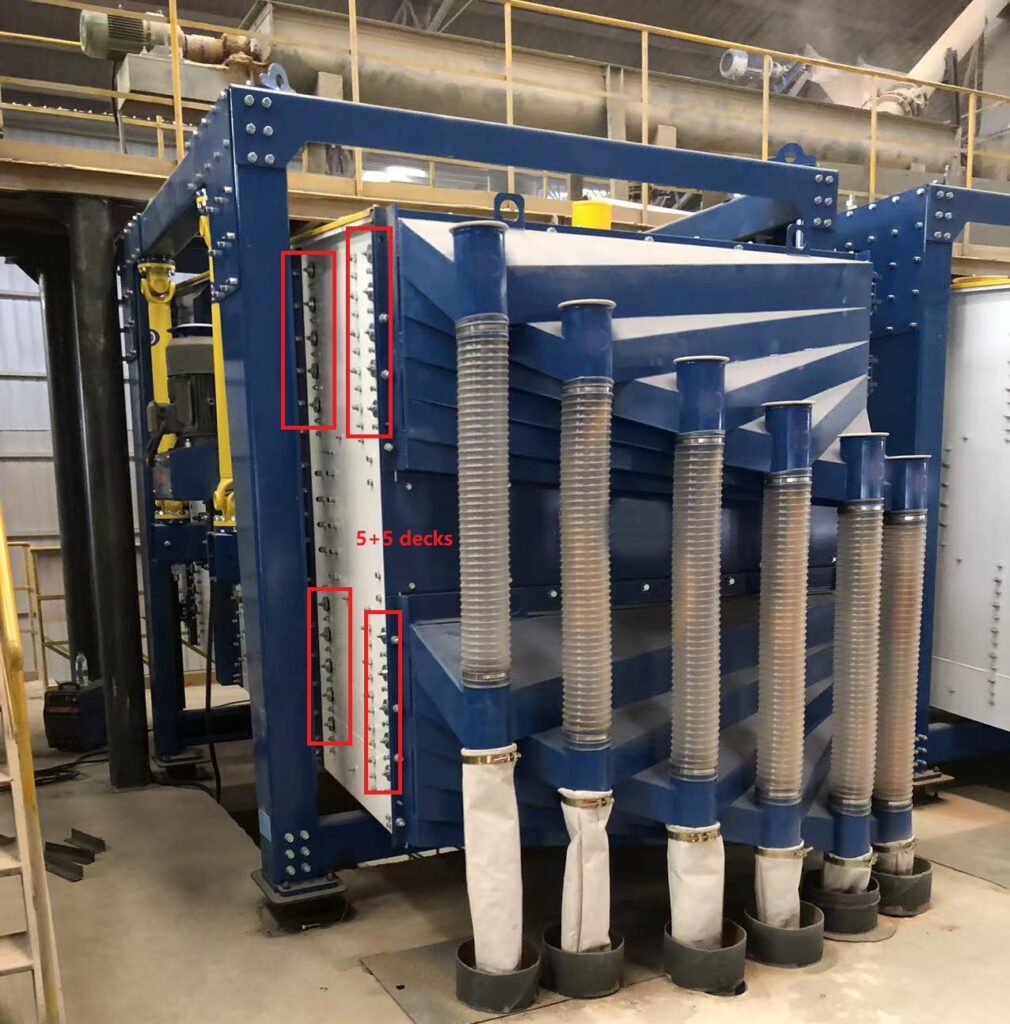
Fine powders can become airborne during screening if equipment is not properly enclosed. Inhalation risks and, in some cases, combustible dust hazards make containment a design requirement rather than a convenience. Modern vibratory screening equipment addresses this with dust-tight housings, sealed inlet and outlet connections, and negative-pressure designs that connect to central extraction systems. For facilities screening reactive metal powders, the stakes are higher; detailed considerations for that environment are covered in Why Are Ultrasonic Sieves Critical for Metal Powder Classification.
Hazardous Area Compliance
Combustible dusts, including sugar, starch, certain chemical intermediates, and metal powders, require equipment rated for the zone classification of the area where they are used. ATEX certification covers European markets; NEC ratings apply in North America. Both confirm that the motor, wiring, and control components cannot produce sparks or surface temperatures capable of igniting the surrounding atmosphere. Earthing and bonding of the machine frame is also necessary to prevent static charge accumulation.
Hygienic Design and Cross-Contamination Prevention
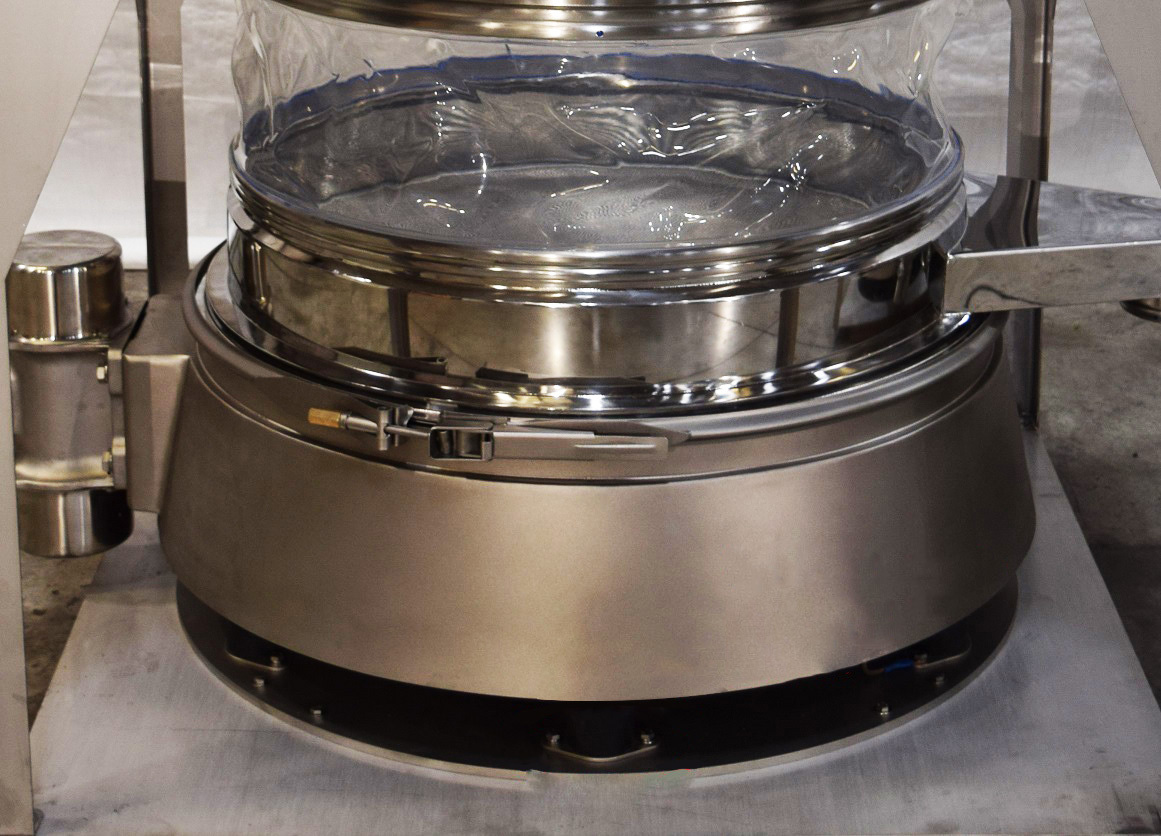
In food, cosmetic, and pharmaceutical manufacturing, residual material from a previous batch left in the equipment can compromise the next product run. Vibratory screening equipment built to hygienic standards uses smooth, crevice-free surfaces with quick-release clamps and tool-free disassembly to make cleaning thorough and fast. Sanitary screeners for cosmetic powders illustrate how hygienic design features translate directly into contamination prevention in a regulated production environment.
Pre-Packaging as a Final Safety Check
Installing vibratory screening equipment immediately before packaging provides a last opportunity to catch anything that went wrong upstream. This stage is especially valuable because the product has completed all prior processing steps, making it the final verification before it reaches the consumer. Maximizing Productivity with Industrial Vibratory Sieves Before Packaging explores both the quality assurance and operational benefits of screening at this point in the line.
Frequently Asked Questions
How does vibratory screening equipment reduce contamination risk in food processing?
It physically removes foreign objects, oversized particles, and agglomerated lumps before packaging. Enclosed housings also prevent airborne contamination from entering the product stream during processing.
What certifications should I look for when screening combustible dusts?
Look for ATEX certification for EU applications or NEC ratings for North American facilities, confirming that all electrical components are rated for the relevant dust group and temperature class.
Can vibratory screening equipment be validated for GMP or pharmaceutical use?
Yes. Pharmaceutical-grade equipment comes with material certificates, surface roughness data, and construction records that support IQ and OQ validation protocols.
How often should screen mesh be inspected in a safety-critical process?
A visual inspection before each production run is a reasonable baseline. Facilities processing highly abrasive materials often use scheduled replacement at defined production hour intervals rather than relying on visual checks alone.