
Start With Your Screening Application
Before comparing manufacturers, define what the sieve needs to accomplish. Industrial screening equipment can be used for tasks such as removing oversized contamination, grading material into different particle sizes, removing fines, de-dusting dry products, or separating solids from liquids and slurries.
The material being processed matters as well. Fine powders, granules, pellets, bulk solids, and liquids can behave differently during screening. Particle size, material flow characteristics, required capacity, and the number of separations needed can influence which equipment design is appropriate.
A manufacturer should ask detailed questions about the application before recommending machinery. This helps reduce the risk of selecting equipment that does not suit the actual production process.
Compare Equipment Designs, Not Just Specifications
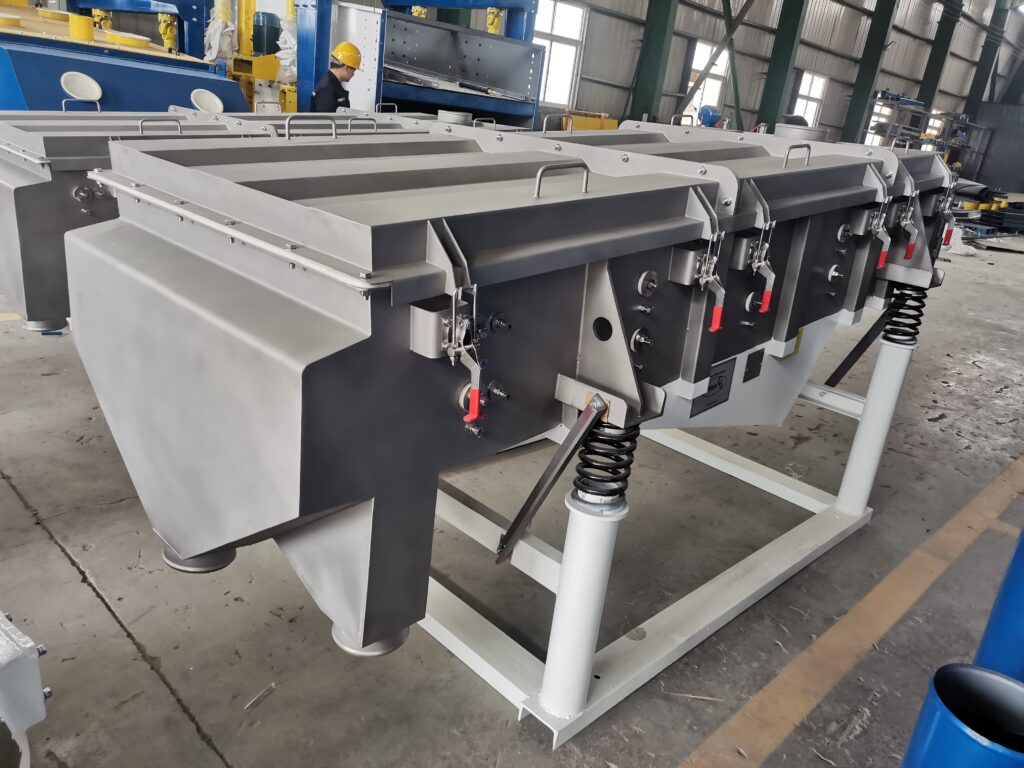
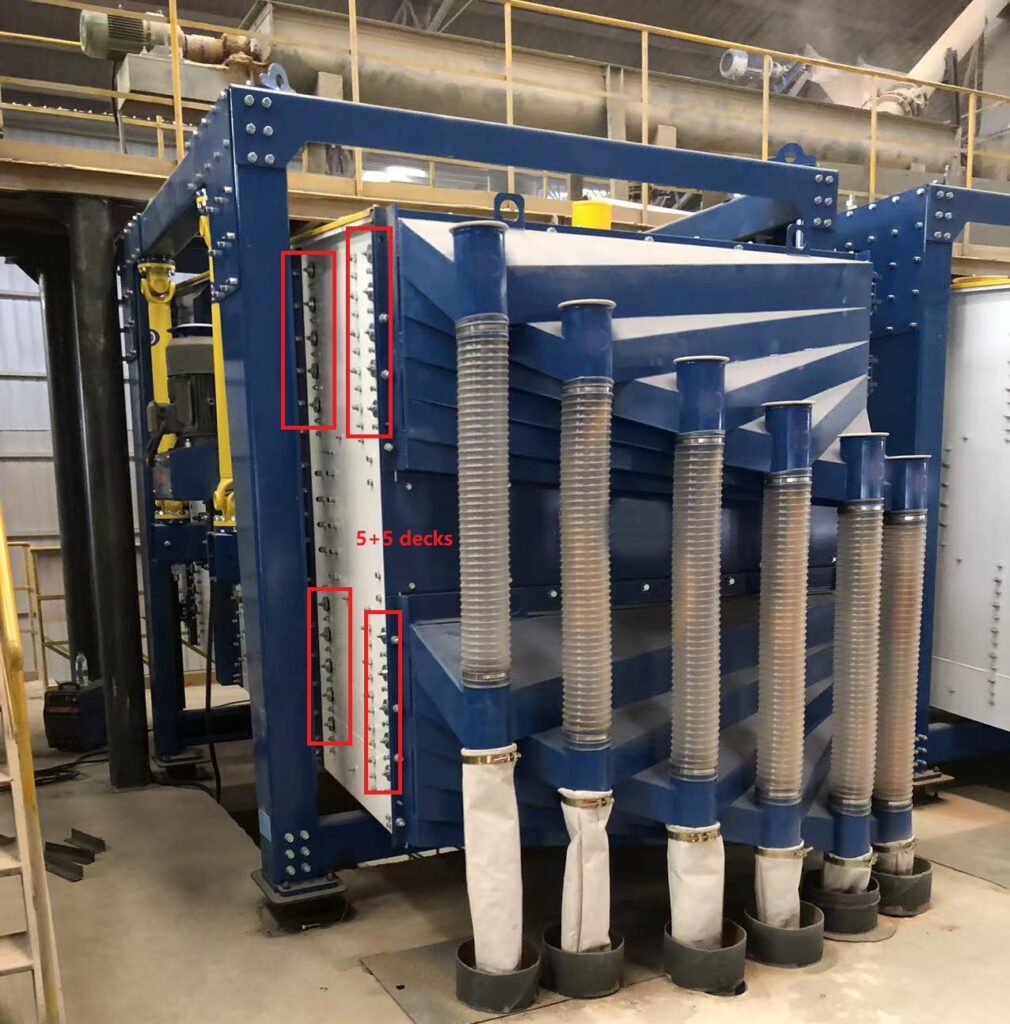
Industrial sieves are available in different configurations, including circular vibratory screeners, rectangular screeners, gyratory machines, separators, and bag-dump screening systems. Each design serves different processing needs.
When assessing a sieve machine manufacturer, review whether its equipment range includes different screening technologies that can be evaluated according to the requirements of your application.
Important considerations may include:
- Required screening capacity
- Available installation space
- Desired particle separation
- Number of fractions required
- Dry or wet material processing
- Frequency of screen changes
- Accessibility for cleaning and maintenance
These factors help connect the machine design to everyday operating requirements.
Consider Hygiene and Ease of Cleaning
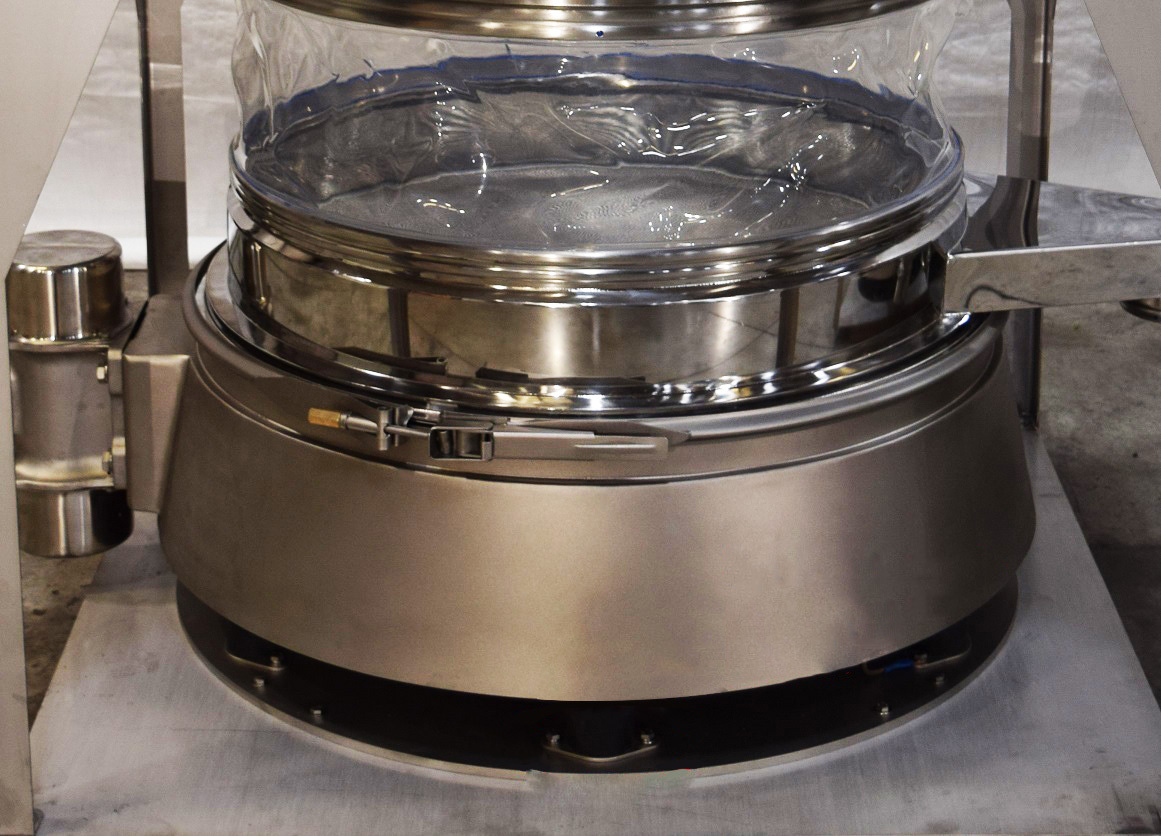
Cleanability is particularly important when processing food ingredients, pharmaceutical powders, nutraceuticals, cosmetics, and other materials where contamination control is a major consideration.
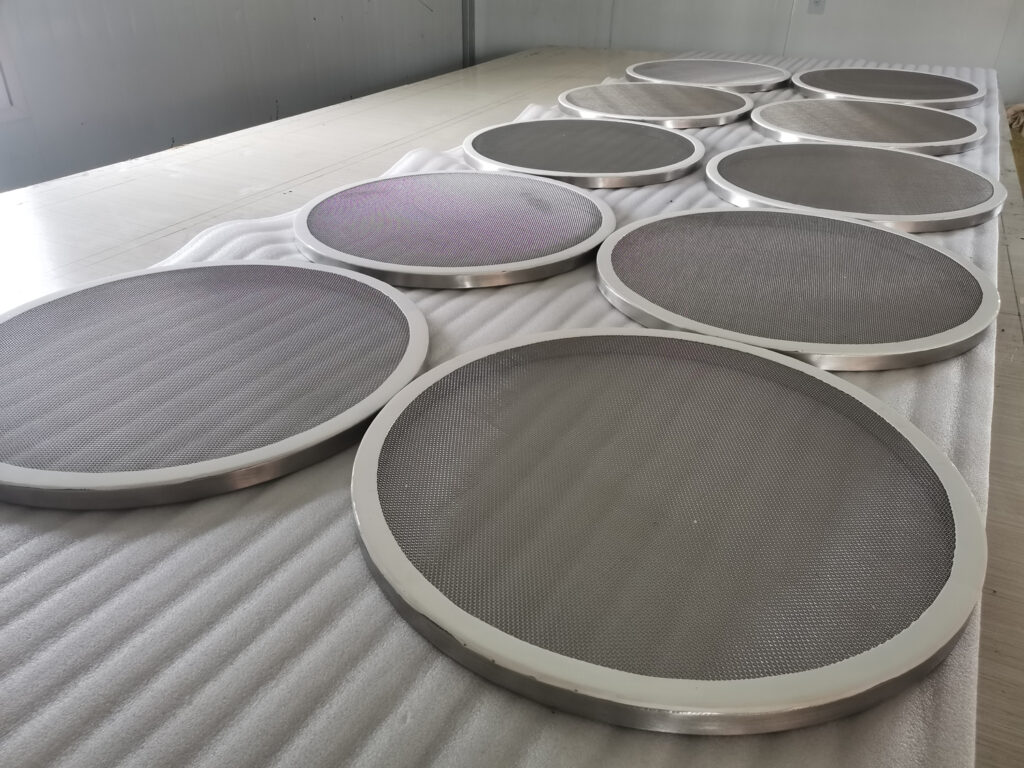
Look at how easily operators can access product-contact areas and remove or replace screens. Equipment accessibility and ease of cleaning are important considerations because operators may need to clean product-contact areas, inspect components, and change screens as part of routine operation.
Hygienic requirements will vary by industry and application, so buyers should clearly communicate their sanitation needs when discussing equipment selection.
Look at Maintenance and Operator Accessibility
Screening equipment becomes part of an ongoing production process, making routine access important. Operators may need to inspect screens, replace mesh, clean contact surfaces, or reach components during normal maintenance.
A well-considered machine design should allow these activities to be performed without unnecessary complications. Before purchasing, ask how screens are changed, how operators access the machine for inspection and cleaning, and what replacement screens or components are available.
Equipment accessibility is especially important in applications that require frequent screen changes, inspection, or regular cleaning of product-contact areas.
Evaluate Application Knowledge and Technical Support
A capable sieve machine manufacturer should understand that different industries and materials create different screening challenges. Food powders, metal powders, minerals, plastics, chemicals, agricultural materials, and liquids do not necessarily require the same equipment configuration.
During the evaluation process, provide as much application information as possible. Discuss the material, desired separation, production capacity, screen size, available footprint, cleaning requirements, and any operational challenges. The quality of the questions asked during this discussion can help indicate how carefully the equipment will be matched to the application.
Review the Complete Equipment Offering
A broader equipment range can be useful when an operation requires different screening methods across production lines. Buyers may need quality-control screening for one process, multiple-size grading for another, or liquid-solid separation elsewhere in the facility.
Review whether the available machinery meets your current requirements while offering suitable options for different screening applications. Also consider the availability of replacement screens, accessories, and application assistance when comparing suppliers.
Discuss Your Screening Requirements With Our Team
At VibraScreener®, we design and manufacture industrial vibratory sieves, screeners, sifters, and separators for applications including quality-control screening, grading, de-dusting, and liquid-solid separation across a wide range of processing industries. Our equipment lineup includes circular vibratory screeners, rectangular and gyratory screening equipment, separators, and bag-dump sieving systems.
Contact us today to discuss your material, application, and screening requirements so we can help identify an appropriate equipment solution.
FAQs:
What information should I provide before selecting an industrial sieve?
Provide details about the material, desired particle separation, required capacity, screen size, available space, cleaning needs, and whether the application involves dry material or liquid.
Why is equipment range important when choosing a manufacturer?
A varied equipment range makes it possible to consider different screening technologies based on the material, required separation, capacity, hygiene requirements, and available installation space.
How do I compare a sieve machine manufacturer?
Compare a sieve machine manufacturer based on its equipment range, understanding of screening applications, cleanability, screen access, maintenance considerations, replacement components, and ability to evaluate your processing requirements.
Why does screen access matter?
Easy access can simplify screen changes, cleaning, inspection, and routine maintenance. Accessible screen and product-contact areas can also make regular equipment servicing more manageable for operators.
Do all industrial materials require the same type of sieve?
No. Powders, granules, pellets, bulk solids, liquids, and slurries can have different screening requirements, so equipment should be selected according to the specific application.
What should I ask before purchasing a sieve machine?
Ask about suitable equipment configurations, required screening capacity, available screen sizes, cleaning and maintenance needs, replacement screens, installation space, and whether the equipment matches your material characteristics and separation requirements.