
Choosing between a circular vibrating screen and a gyratory screener depends mainly on the material being processed, the type of separation required, available plant space, desired throughput, and how gently the product needs to be handled. Neither technology is automatically the right choice for every production line.
Circular vibratory equipment is well suited to many grading, sizing, and separation duties, including applications involving powders, grains, pellets, and other materials. A gyratory screener, by comparison, uses a side-to-side motion close to a level plane and can be particularly useful when dry materials require accurate separation at higher processing capacities.
How Circular Vibratory Screening Works
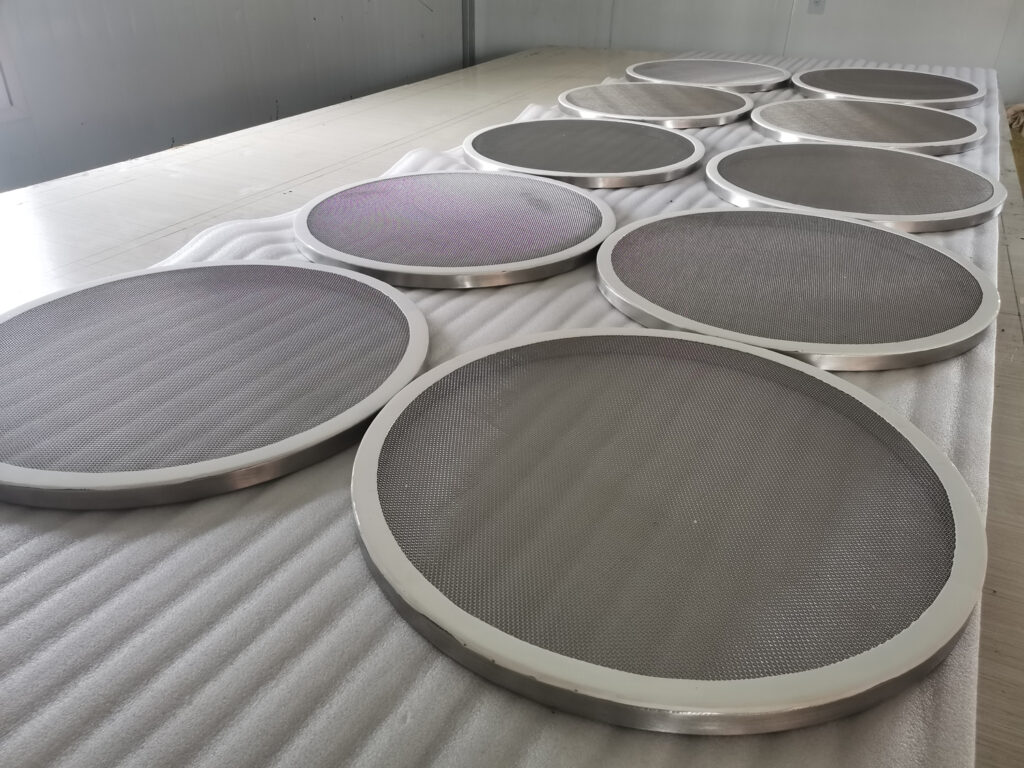
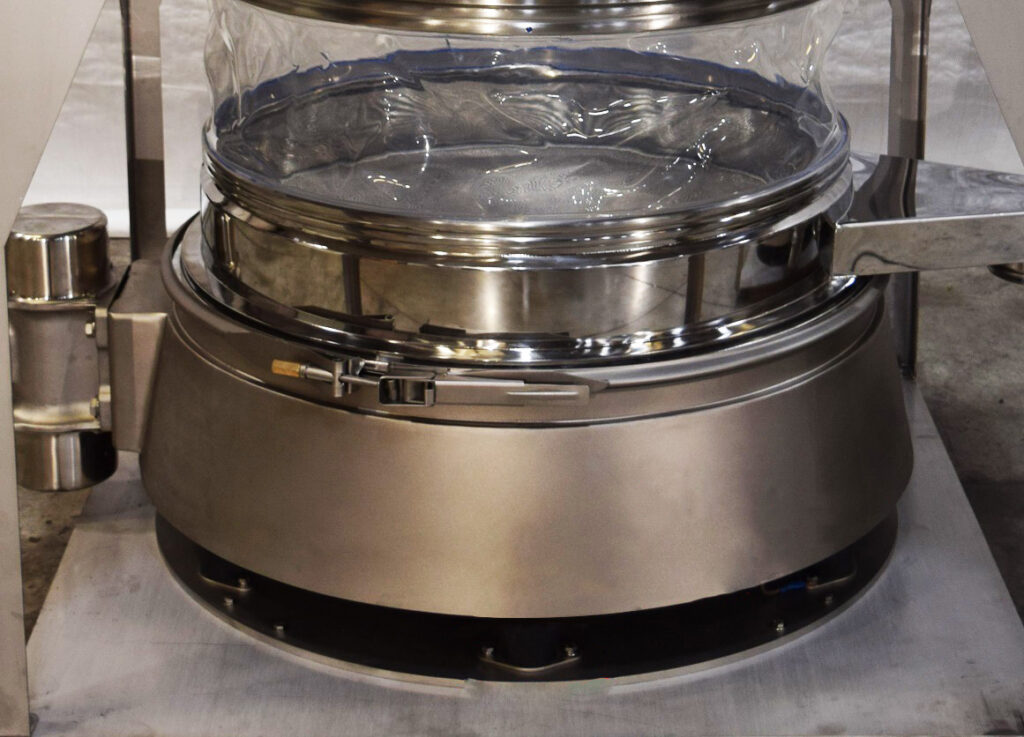
A circular vibrating screen applies controlled vibration to a round screen surface, allowing material to move across the screen while particles are separated according to the required sizing. The Ranger Separator™ is a round industrial vibratory separator developed for grading and sizing materials. Its adjustable weight system allows the material pattern and vibration force to be modified according to processing requirements.
Round vibratory separators can work with dry or wet materials and are useful when a processor needs a relatively compact screening machine. The Ranger Separator™ uses rubber suspensions that allow more vibration to be applied directly to the circular screen surface while helping isolate vibration from the machine base and surrounding area. Its compact pedestal design can be valuable where available floor space or headroom is limited.
What Makes Gyratory Screening Different?
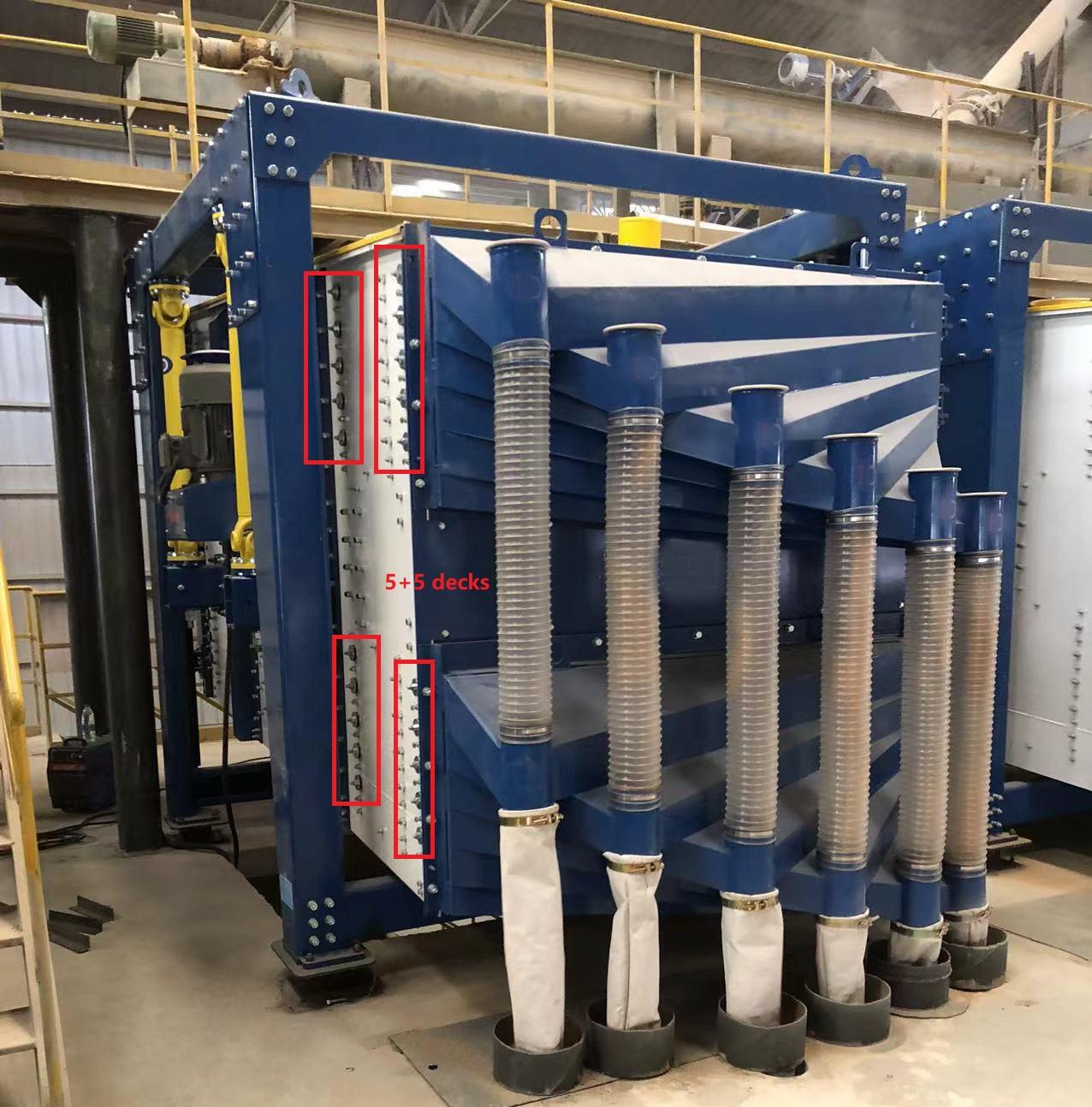
A gyratory screener moves material with a reciprocating side-to-side gyratory motion close to the level plane at low angles, which differs from the vibratory motion used by a round separator. The GyraSift™ is designed for dry applications where accurate separation, high screening capacity, and even material distribution are important.
This movement distributes material across the screening surface and can help separate particles with different shapes and orientations. Because the GyraSift™ uses a gentle gyratory motion, it is also designed to support cleaner separation of delicate materials.
Another practical consideration is screen access. The GyraSift™ incorporates hinged access doors and hook-style screen tensioning, allowing operators to inspect, adjust, clean, or replace screening media without dismantling entire screen decks.
Which Technology Better Matches Your Material?
Material behavior should guide equipment selection. A circular vibrating screen can be a practical option for screening, grading, sizing, and separating a broad range of materials when adjustable vibration and a compact configuration are priorities. Round separators can also accommodate applications involving either dry or wet products.
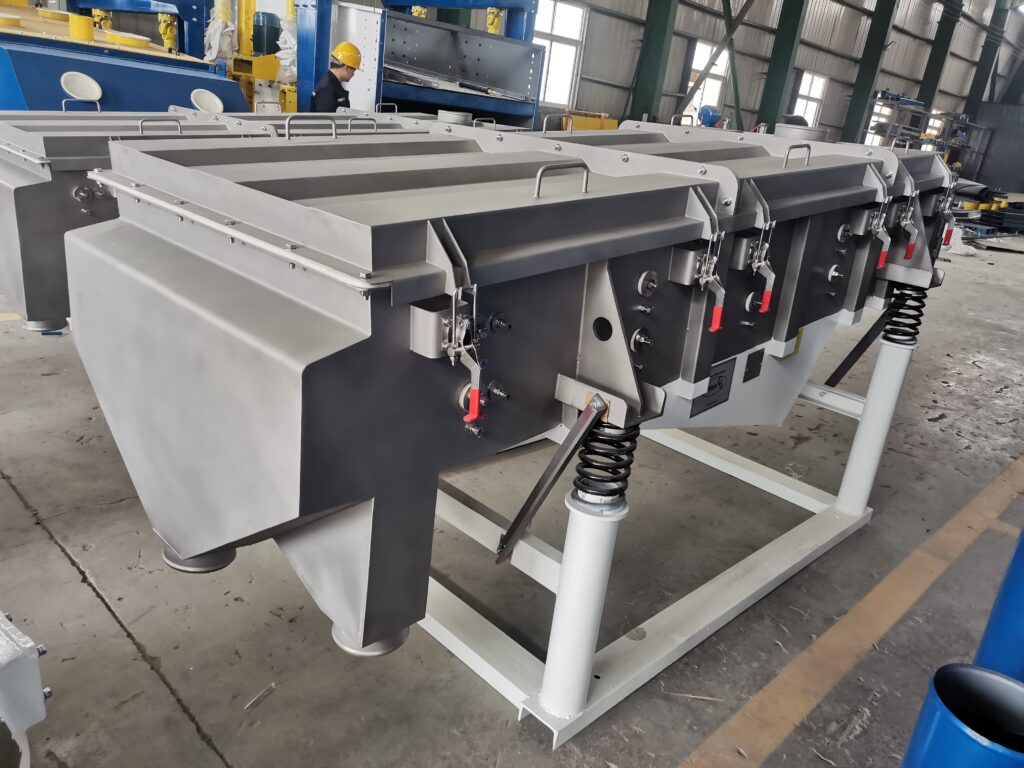
Gyratory technology is particularly suitable for processes involving dry bulk materials that require accurate multi-size separation, de-dusting, or high-throughput screening. The GyraSift™ is a rectangular gyratory screener designed for accurate screening into multiple sizes and de-dusting at very high throughput.
Key Factors to Compare Before Choosing
Rather than choosing equipment based only on screen shape, processors should examine the entire application. Important considerations include:
- Material condition: Determine whether the product is dry, wet, free-flowing, fragile, or difficult to separate.
- Separation objective: Consider whether the process requires simple check screening, grading into fractions, removing fines, or precise sizing.
- Required capacity: Evaluate how much material must move through the machine during normal production.
- Available space: Consider each machine’s dimensions and installation requirements. The Ranger Separator™ features a compact pedestal design that can fit into restricted spaces.
- Screen access: Cleaning, inspection, tensioning, and mesh replacement requirements can influence operating efficiency.
- Product movement: Delicate materials may benefit from the gentler side-to-side movement associated with gyratory screening.
These factors matter because particle size is only one consideration. Product flowability, material behavior, and other characteristics can also affect screening performance.
When Does a Gyratory Screener Make More Sense?
A gyratory screener can make more sense when the application involves dry material, substantial throughput, and a need for controlled, accurate separation. Side-to-side material movement can also help when particle shape or orientation makes separation more challenging.
For operations requiring compact equipment, versatile grading, or the ability to screen either dry or wet materials, round vibratory technology may provide a better process match. The correct decision should therefore come from the material characteristics and production objective, not simply from selecting the machine with the highest stated capacity.
Selecting Screening Equipment Around Your Process
At VibraScreener®, we design and develop industrial screening equipment for different separation requirements, including round vibratory separators and gyratory screening systems. Our technical team can evaluate your material, separation requirements, capacity needs, available installation space, and other process considerations to help identify equipment suited to the application.
Contact us today to discuss your screening requirements and determine the separation approach best suited to your process.
FAQs:
What is the main difference between vibratory and gyratory screening?
Vibratory screening uses vibration to move and separate material across the screen, while gyratory equipment creates a side-to-side reciprocating movement. The appropriate motion depends on the material and separation objective.
When is a circular screening machine useful?
A circular vibrating screen can be useful for grading, sizing, and separating powders, grains, pellets, and other materials. Certain round vibratory separators can process both dry and wet products.
Is a gyratory screener suitable for dry powders?
Yes. Gyratory screening equipment such as the GyraSift™ is designed for dry applications where accurate separation and high screening capacity are important.
Can gyratory screening handle delicate materials?
Yes. A low-angle side-to-side gyratory movement can provide gentler material handling than more aggressive screening motions, making it suitable for certain delicate dry products.
Does machine footprint matter when selecting screening equipment?
Yes. Available floor space and headroom can affect equipment selection. The Ranger Separator™ features a compact pedestal design that can fit restricted spaces and does not require excessive installation headroom.
What information is needed before selecting a screener?
Processors should consider material characteristics, particle size, product behavior, flowability, desired separation, and required production capacity when evaluating screening equipment. Testing the material can also help determine which machine is appropriate for the application.