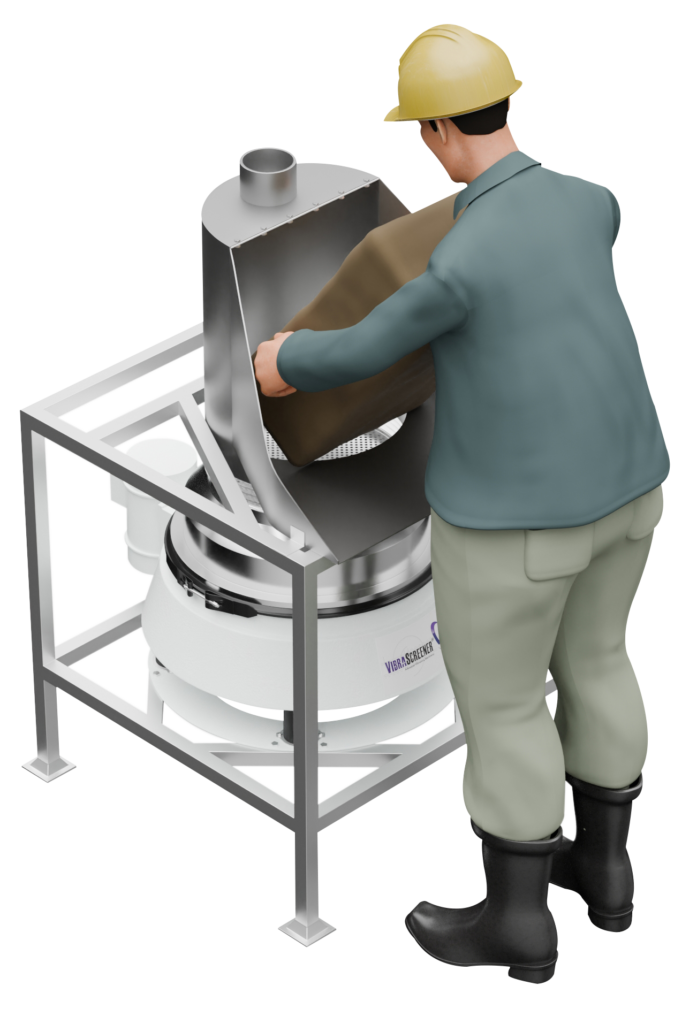
In modern manufacturing, achieving the perfect particle size distribution is not just a preference; it is a strategic necessity that impacts product quality and your plant’s bottom line. Whether you are processing abrasive minerals like gypsum and quartz or delicate nutraceutical powders like spirulina, selecting the correct vibratory sieve is a decision that requires a deep understanding of your specific material profile.
At VibraScreener™, we recognize that every industry faces unique challenges, from preventing product contamination to ensuring high-capacity output without sacrificing mesh integrity. This guide explores the essential factors you must consider to optimize your production line and maintain a competitive edge.
Understanding Your Material Characteristics
The first step in selecting a vibratory sieve is analyzing the physical properties of the materials you handle. Mineral processing, for instance, is notoriously tough on machinery because materials like bauxite, phosphate rock, and copper are often heavy and abrasive. Conversely, the nutraceutical sector requires equipment that can handle fine, sensitive powders like cholecalciferol or melatonin without causing clumping or “blinding” the mesh.
- For Abrasive Minerals: Look for units engineered with advanced suspension mechanisms and high-force vibration technology to achieve better separation efficiency.
- For Sanitary Powders: Prioritize machines with “easy-to-clean” configurations that allow for rapid strip-down and sanitization to avoid cross-contamination.
Defining the Role of the Equipment
Different applications require different mechanical approaches. In most industrial sectors, high-performance industrial vibratory sieves typically serve three primary roles:
- Check Screening: This process involves removing oversized contaminants or foreign objects to ensure the final product meets purity standards.
- Sizing and Grading: This is critical for materials like clay or protein powders that must be accurately fractionated into multiple sizes simultaneously for downstream use.
- De-dusting: This improves material handling and value by removing fine dust from larger rocks or powders.
Efficiency and Maintenance: The Key to Profitability
Profitability in any processing facility is often a game of uptime. Equipment that is difficult to repair or clean leads to costly delays. When evaluating a sieve machine manufacturer, it is vital to choose a partner that focuses on innovations like ultrasonic sieving technology—which ensures continuous flow—and advanced weight systems for quick adjustments.
By implementing advanced technology, operators spend less time on manual labor and more time on productive tasks, ensuring the facility remains compliant with safety standards and Good Manufacturing Practices (GMP).
Partner with Engineering Experts
Selecting the ideal vibratory sieve is not just about the hardware; it is about the engineering expertise behind it. Choosing the right equipment means partnering with specialists who understand the nuances of powder separation and can help you optimize your production line for maximum recovery of valuable materials.
Whether you are grading mica for construction or vitamins for wellness, the right technology ensures your operation runs smoothly and stays ahead of the competition.